



Which antioxidant is better for the skin: Dihydroquercetin or Vitamin C?
Introduction
When it comes to skincare Antioxidants, vitamin C has long been the gold standard. But a rising star,dihydroquercetin (taxifolin), is getting a lot of attention for its powerful effects. Both compounds fight free radicals, brighten skin, and fight aging, but which one is truly better for your skin?
In this in-depth comparison, we'll explore:
- The Science Behind DihydroQuercetin (Taxifolin) and Vitamin C
- Their antioxidant mechanisms and skin benefits
- Stability, absorption and effectiveness of skin care products
- Suitable for all skin types
In the end, you'll know whether Dihydroquercetin (Taxifolin)deserves a spot in your skincare routine, or if Vitamin C still reigns supreme.
What is Dihydroquercetin (Taxifolin)?
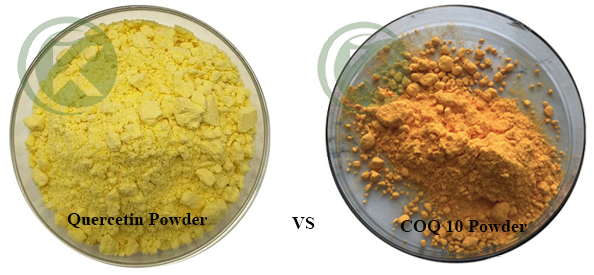
Dihydroquercetin (taxifolin) is a natural flavonoid found in plants such as Siberian larch, onion, and French maritime pine bark. It is closely related to quercetinbut has a unique molecular structure that enhances its antioxidant, anti-inflammatory, and collagen-boosting properties.

Main benefits of Dihydroquercetin (Taxifolin) for skin:
✔ Superior Antioxidant Power - Neutralizes free radicals more effectively than many common antioxidants.
✔ ANTI-AGING EFFECT- Protects collagen and elastin from degradation.
✔ ANTI-INFLAMMATORY - Reduces redness and irritation, great for sensitive or acne-prone skin.
✔ UV Protection– Strengthens skin’s defenses against sun damage.
✔ Stable and Long-Lasting- Unlike Vitamin C,Dihydroquercetin (Taxifolin)does not readily degrade when exposed to light or air.
Vitamin C: The Classic Antioxidant
Vitamin C (L-ascorbic acid) is a water-soluble antioxidant that:
✔ Brightens skin tone by inhibiting the production of melanin.
✔ Stimulates collagen synthesisand reduces fine lines.
✔ Fights oxidative stress caused by pollution and UV rays.
However, vitamin C also has disadvantages:
❌ EXTREMELY UNSTABLE - will rapidly oxidize and lose effectiveness when exposed to light/air.
❌ May irritate sensitive skin - High concentrations may cause redness or stinging.
❌ Limited Penetration — Requires optimal pH to be effective.
Dihydroquercetin (taxifolin) vs. Vitamin C: The Ultimate Showdown
- Antioxidant Strength
- Dihydroquercetin (taxifolin) has a broader free radical scavenging spectrum, including superoxide, hydroxyl and peroxide radicals.
- Vitamin C primarily targets aqueous (water-soluble) free radicals, making it less effective in combating lipid peroxidation, a key factor in skin aging.
WINNER: Dihydroquercetin (taxifolin) Provides more comprehensive protection.
- Stability and Shelf Life
- Vitamin C degrades quickly, especially in serums. Many products turn yellow (a sign of oxidation) within a few weeks.
- Dihydroquercetin (taxifolin) is more stable and resists oxidation even under conditions of light and heat.
WINNER: Dihydroquercetin (Taxifolin)Lasts longer without losing effectiveness.
- Collagen protection and anti-aging
- Both boost collagen production, but Dihydroquercetin (taxifolin) also prevents collagen breakdown by inhibiting Matrix Metalloproteinases (MMPs), an enzyme that destroys skin structure.
- Vitamin C stimulates collagen production but is not effective in protecting existing collagen.
WINNER: Dihydroquercetin (Taxifolin) offers a dual-action approach.
- Brightening and Pigmentation
- Vitamin C can better lighten dark spots due to its tyrosinase inhibitory effect.
- Dihydroquercetin (taxifolin) indirectly reduces pigmentation by reducing oxidative stress and inflammation.
WINNER: Vitamin C brightens skin immediately, but Dihydroquercetin (Taxifolin)evens out skin tone long-term.
- Anti-inflammatory and soothing effects
- Dihydroquercetin (taxifolin) has exceptional calming properties and is ideal for treating rosacea, acne and sensitive skin.
- Vitamin C can sometimes irritate active skin, especially in high concentrations.
WINNER: Dihydroquercetin (Taxifolin), for its gentler, soothing properties.
Can you use both at the same time?
Absolutely! Combining Dihydroquercetin (Taxifolin) and Vitamin C creates a powerful antioxidant synergy:
Vitamin C brightens skin and boosts collagen production.
Dihydroquercetin (taxifolin) stabilizes vitamin C, enhances UV protection and reduces inflammation.
Best Application:
- Morning Routine – Use a Vitamin C serum and then follow with a Dihydroquercetin (Taxifolin) infused moisturizer or sunscreen for maximum protection.
- Night Treatment– Use Dihydroquercetin (Taxifolin) with peptides or retinol for overnight repair.
Final Verdict: Which One is Better?
| Factor | Dihydroquercetin (Taxifolin) | Vitamin C |
|---|---|---|
| Antioxidant Powder | Stronger, broader protection | Good, but limited |
| Stability | Highly stable | Prone to oxidation |
| Collagen Protection | Prevents breakdown + boosts | Boosts, but doesn't protect |
| Brightening | Indirect improvement | Best for dark spots |
| Gentleness | Suitable for sensitive skin | Can cause irritation |
For most people:
- If you want maximum anti-aging and stability → choose Dihydroquercetin (Taxifolin).
- If your main concern is pigmentation → Vitamin C is still best.
- For ultimate defense → use both!
How to find Dihydroquercetin (Taxifolin) in skin care products
Since Dihydroquercetin (Taxifolin) is still emerging, look for it in:
🔹Antioxidant serum (usually used with vitamin E or ferulic acid)
Sunscreen (for enhanced UV protection)
Anti-aging cream (combined with peptides or hyaluronic acid)
In conclusion
While vitamin C remains an essential part of skincare, dihydroquercetin (taxifolin)has proven to be a more stable, versatile alternative — especially for those seeking long-lasting antioxidant defense and anti-inflammatory benefits.
The best way? Combining the two for unparalleled skin protection and rejuvenation!